
Since testing began on 16 July, feedback from real users has helped us improve search, sign-in, browsing, account management and the overall reliability of the mobile app.
On 16 July 2026, we began testing the Tambala Market Android app within our team. The first test did what it was supposed to do. It showed us where the app was not yet ready for wider public use.
Search did not always return the same results for different people. Google Sign-In sometimes failed. Some pages loaded slowly, scrolling was not consistently smooth and parts of the screen did not display correctly on every phone. Each of these problems could make it harder for someone to find a product, manage their account or complete an order. We therefore decided to fix the most urgent issues before inviting more people to use the app.
On 18 July, we opened the first closed test to a small invited group that included Tambala Market customers, sellers and people close to the team. We have now completed two rounds of closed testing, and the third round is available to a wider group.
This time, we are especially interested in hearing from people who have never used Tambala Market before.
What the first testers showed us
The first closed test focused on the main shopping experience.
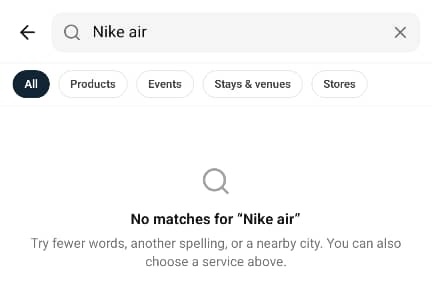
One of the most important problems involved search. A product could appear when one person searched for it but fail to appear for someone else using the same words. For a marketplace, search must be dependable. People should not have to wonder whether a product is unavailable or whether the app has simply failed to find it.
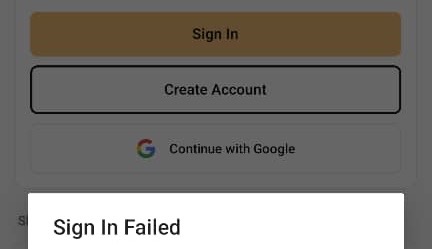
Testers also showed us that signing in needed to be clearer. Google Sign-In was not always reliable, and some people could be returned to the wrong Google account. We improved this process so that users can choose the correct account and switch accounts more easily.
Browsing also needed attention. Some pages felt slow, and the search bar could overlap with location information while a person scrolled. These may appear to be small details, but together they affect whether the app feels comfortable and dependable.
We used the feedback from the first round to improve search, sign-in, page loading, navigation and product browsing before beginning the next test.
Improving the everyday experience
The second round allowed testers to look more closely at what it feels like to use the app from one task to the next.
We improved scrolling and page refreshes so that people can move through products more smoothly. We also adjusted text fields so that forms remain easier to complete when the phone keyboard is open.
Account management was another important area. Customers can now manage their password, email address, phone number and checkout address from one organized section. We also made support easier to reach from the account area and added a clearer confirmation process before an account can be deleted.
These changes are not only about adding settings. People need to feel in control of their information and know where to go when they need help.
We also improved the way locations are presented for events and stays. District names alone are not always specific enough. The app can now use more precise areas and help people understand how close an event or stay is to the place they are interested in.
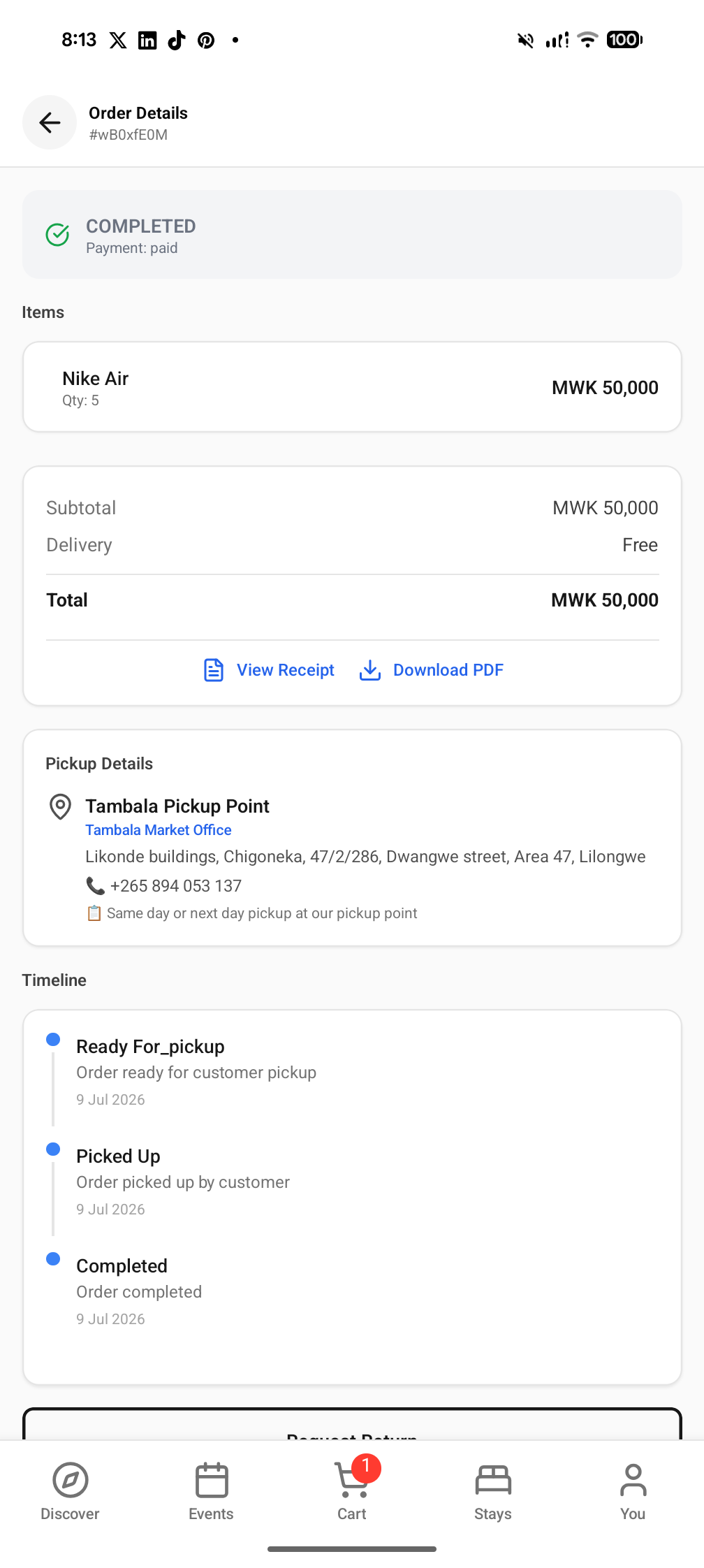
During testing, we also found and fixed a problem that caused some orders to fail even when the customer had already signed in. An issue like this can interrupt the entire buying process, which is why testing complete journeys is just as important as testing individual screens.
Why we are testing with real people
An app can appear to work correctly within a development team and still create problems for customers.
People use different Android phones, screen sizes, internet connections and Google accounts. They also approach the app with different expectations. Someone who already knows Tambala Market may understand what to do without thinking about it, while a new user may become confused by the same screen.
Real-world testing helps us find both technical problems and moments that simply do not feel clear.
A button may work but be difficult to notice. A page may open but take too long. A form may accept information but become frustrating when the keyboard covers part of the screen. A feature may make sense to the team that built it while leaving a first-time user unsure about what to do next.
Our goal is not simply to place an app on Google Play. We want to release an app that people can understand, trust and use comfortably.
That requires more than checking whether the app opens. We need to see whether someone can search, browse, sign in, manage an account and complete an order without needing help from the Tambala team.
Why we need first-time users
Customers and sellers who already know Tambala Market have given us valuable feedback. For the third round, we also need people who are seeing the platform for the first time.
A new user helps us answer a different set of questions.
Can someone open the app and understand where to begin? Can they find a product without being shown how to search? Is signing in clear? Can they manage their information and complete an order without getting stuck? Does the app feel smooth and dependable on their phone?
These questions cannot be answered fully by the people who designed and built the app. We already know how it is supposed to work. A first-time user shows us how it actually feels.
You do not need technical knowledge or previous testing experience to participate. We want honest feedback from ordinary people using the app in an ordinary way.
Tell us when something is confusing. Tell us when a page feels slow. Tell us when you expected one thing and the app did something different. That information is useful even when you do not know what caused the problem.
Join the third Android test
The third closed testing round is now open to more Android users.
To participate, complete the testing sign-up form with your name, the Google email address you use on your Android phone and your phone number. We will use those details to add you to the test group, send the installation instructions and contact you about your experience.
https://forms.gle/sfCDqJq6VPMCxzZP7
We welcome existing Tambala Market customers and sellers, but we are particularly interested in people who have never used the platform before.
During the test, try using the app as you normally would. Search for something you need, browse products, sign in, manage your account and try completing an order. You can then tell us what worked well and what needs more attention.
What comes next
Many of the improvements made during Android testing will also help strengthen the future iOS app. However, Android and Apple devices do not always behave in the same way, so the iOS version will go through its own testing process.
We expect iOS testing to begin by 1 August 2026, or earlier.
For now, our focus is completing the current Android testing round, learning from a wider group of users and resolving the issues they find before public release.
Every testing round has helped us discover and fix something important. Thank you to everyone who has installed the app, reported a problem or told us when something did not feel right.
Your feedback is not sitting in a report somewhere. It is changing the product.
It is helping us build a Tambala Market app that customers and businesses across Malawi can use with greater confidence.
Originally published on Tambala Market.